Grid intelligence. Published weekly-ish.
Practical writing on feeder forecasting, dispatch operations, SCADA integration, and what machine learning actually means for electric utility operations.
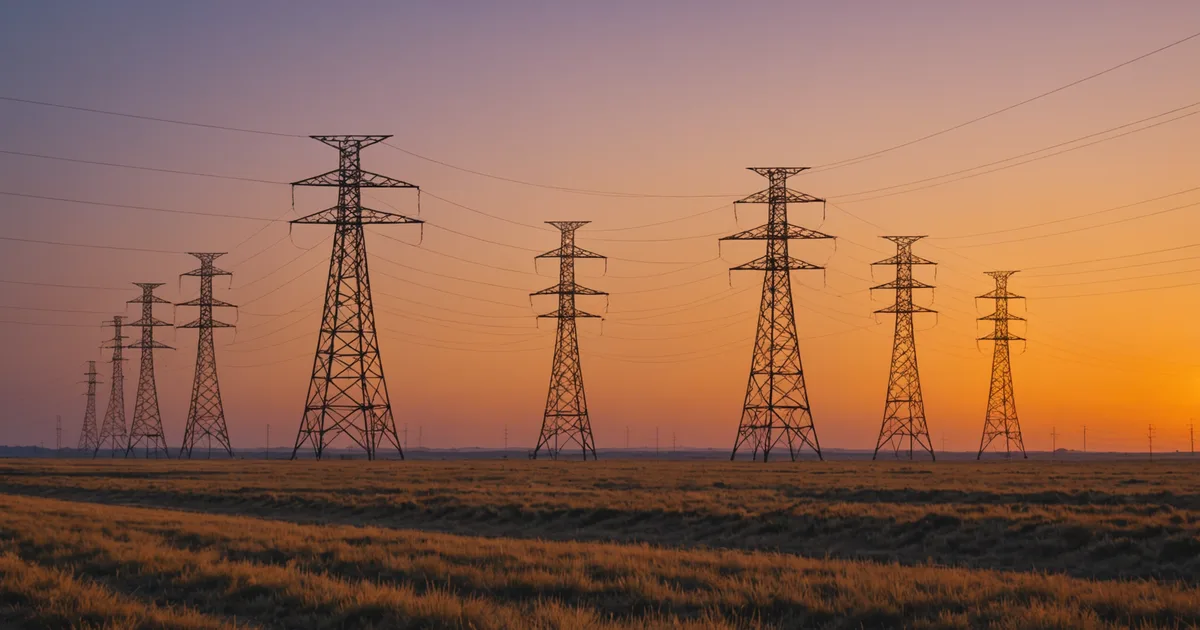

Real-Time Grid Alerting Without Crying Wolf: Threshold Design for Distribution Operators
Alert fatigue is real. The engineering problem isn't getting alerts faster. It's making sure each alert represents an actionable condition.
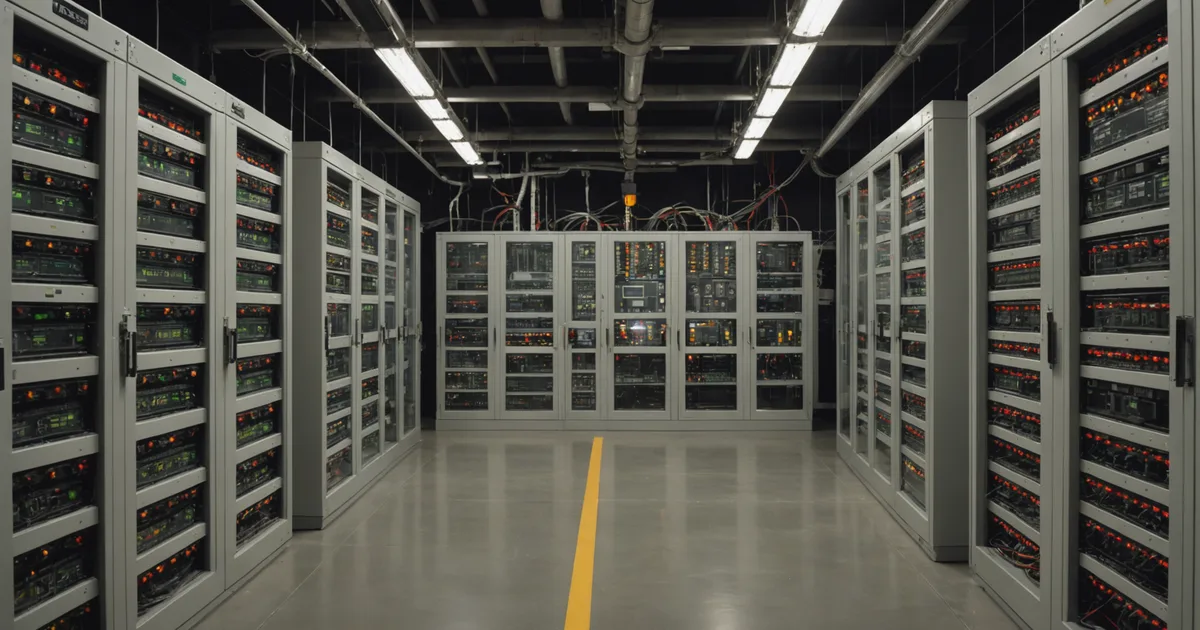
Integrating AI Load Forecasting with Existing SCADA Systems: A Field Guide
Most utility AI projects stall at the integration layer. Here's what actually matters when connecting a machine learning forecasting pipeline to a legacy EMS or SCADA system.
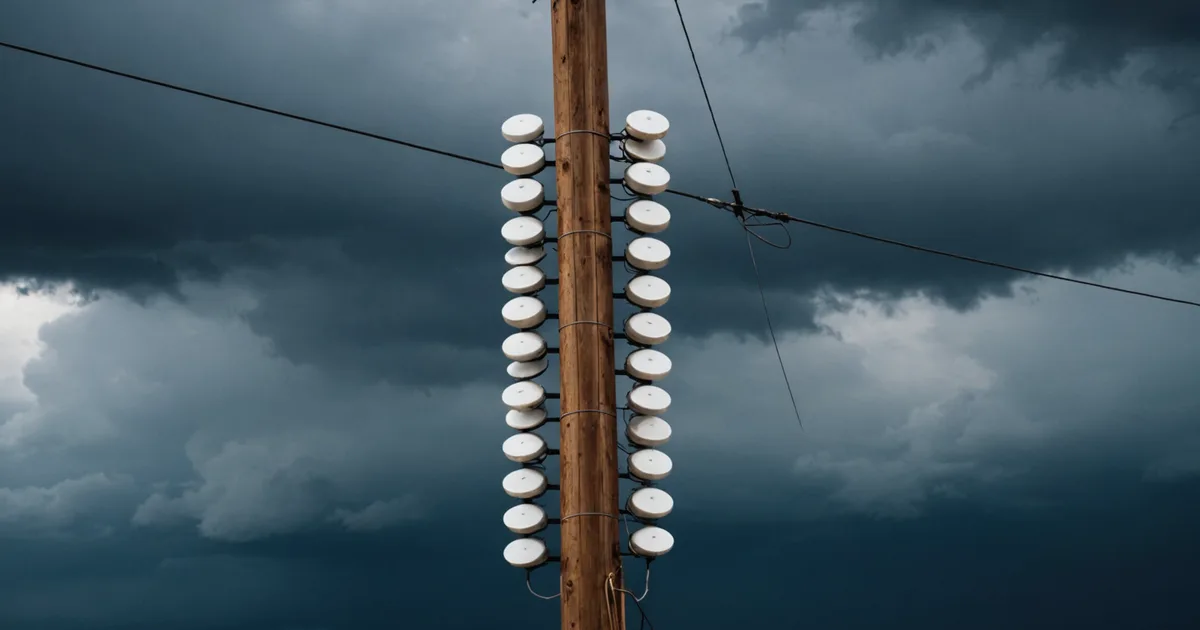
Catching Distribution Grid Overloads Before They Trip: The 4-Hour Horizon That Changes the Game
A tripped substation is a failure, not a surprise. We break down why 4-hour ahead forecasting at the feeder level gives distribution operators enough lead time to act.
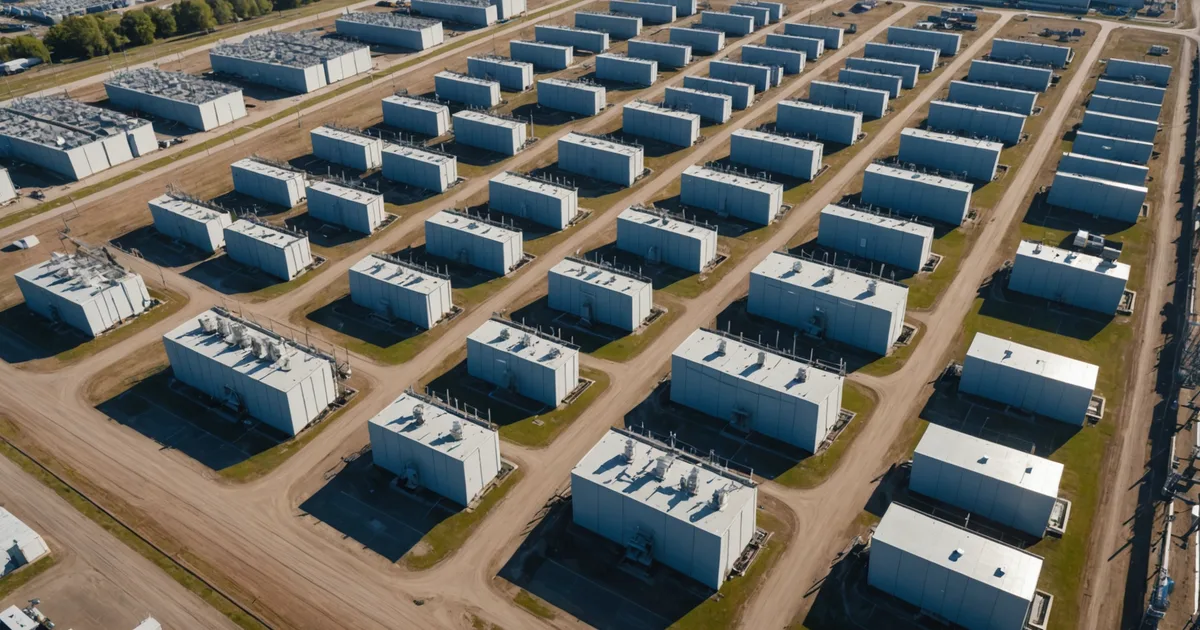
Substation Asset Utilization: How AI Forecasting Changes Your Capacity Planning Horizon
Electric utilities routinely over-build capacity to manage peak uncertainty. AI-driven feeder forecasting compresses that uncertainty window.
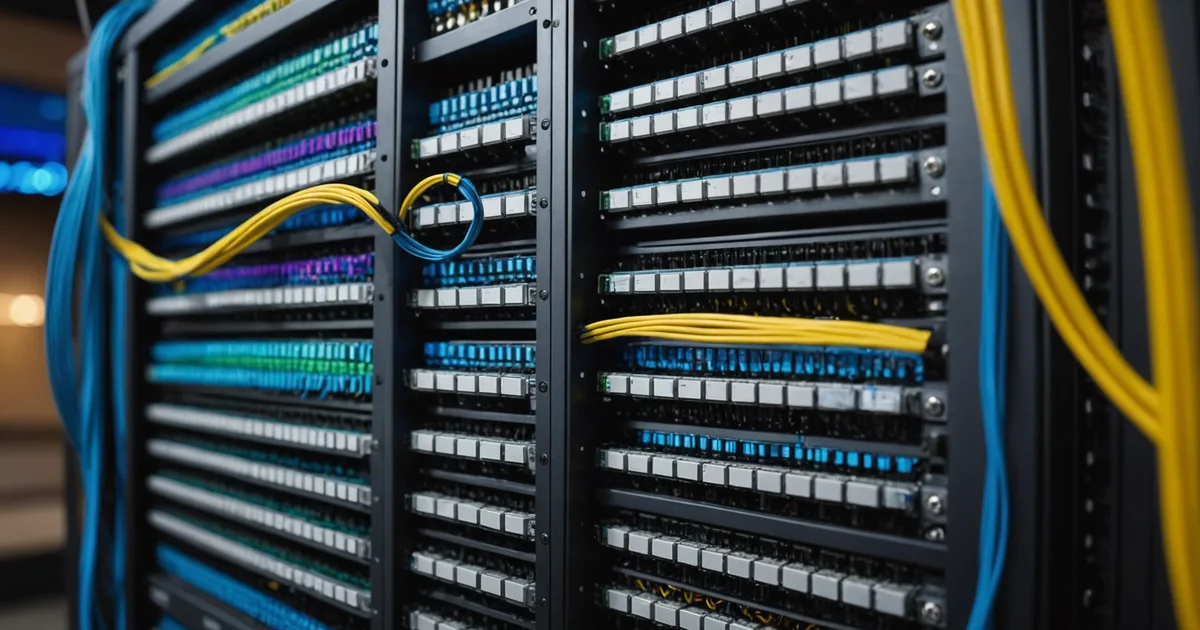
What Your EMS Data Pipeline Needs to Look Like Before AI Models Can Help
AI forecasting models are only as good as the interval data they train on. We look at the common data quality gaps we encounter at utilities and how to prioritize which ones to fix first.
What Does "94% Accuracy" Actually Mean in Feeder Load Forecasting?
Accuracy numbers are easy to publish and impossible to compare without context. We explain how we define forecasting accuracy and why MAPE at the feeder level is the number that matters.

Demand Response vs. Automated Dispatch: What the Difference Means for Grid Operators
These two strategies operate on different timescales and serve different optimization objectives. A practical breakdown for operations teams.
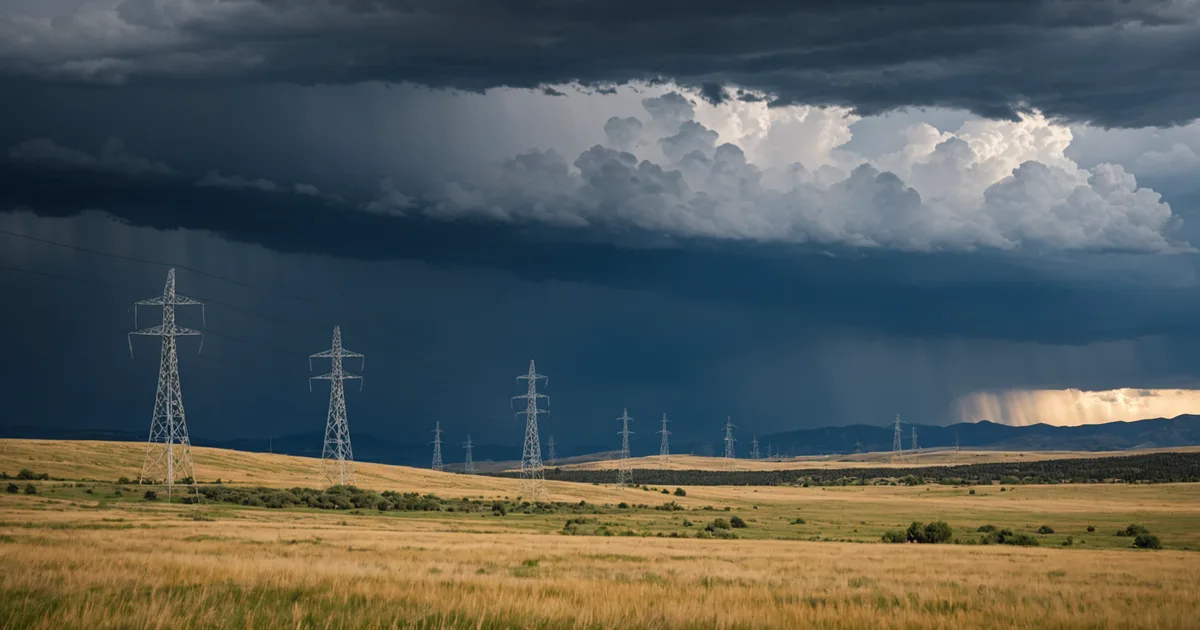
Colorado Weather and Grid Load: Why Regional Climate Patterns Matter for Your Forecasting Model
Colorado's semi-arid climate, elevation variation, and strong afternoon convective storm season create load patterns that standard forecasting models underweight.
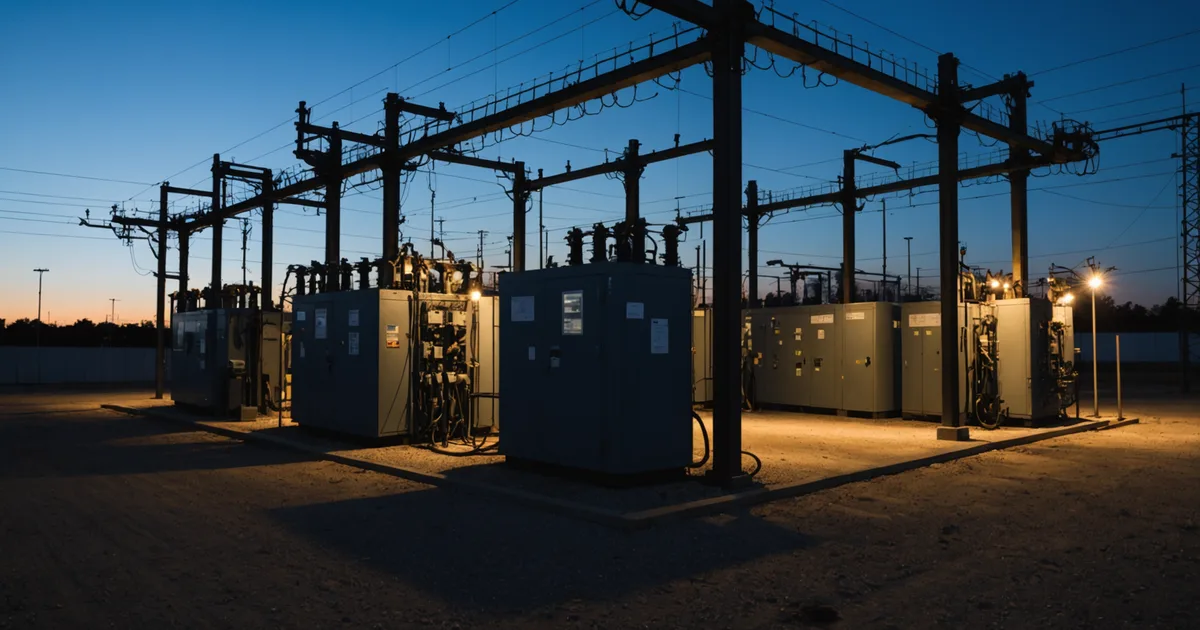
Loss-of-Load Probability and AI: Why LOLP Calculations Are Getting a Data Science Upgrade
Traditional LOLP models rely on historical reliability data with long averaging windows. Machine learning forecasting is now being applied to give LOLP calculations a shorter feedback loop.
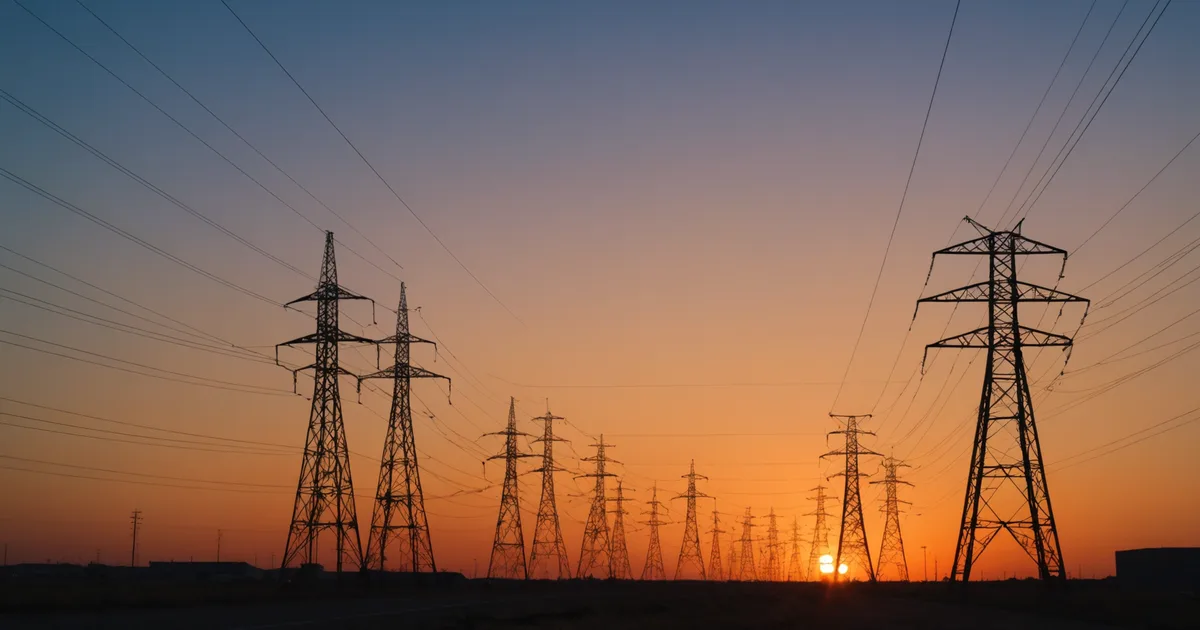
The Case for Automating Grid Dispatch Recommendations (Without Automating the Decision)
There's a meaningful distinction between a system that surfaces a dispatch recommendation and a system that executes it automatically. Here's why that boundary matters.
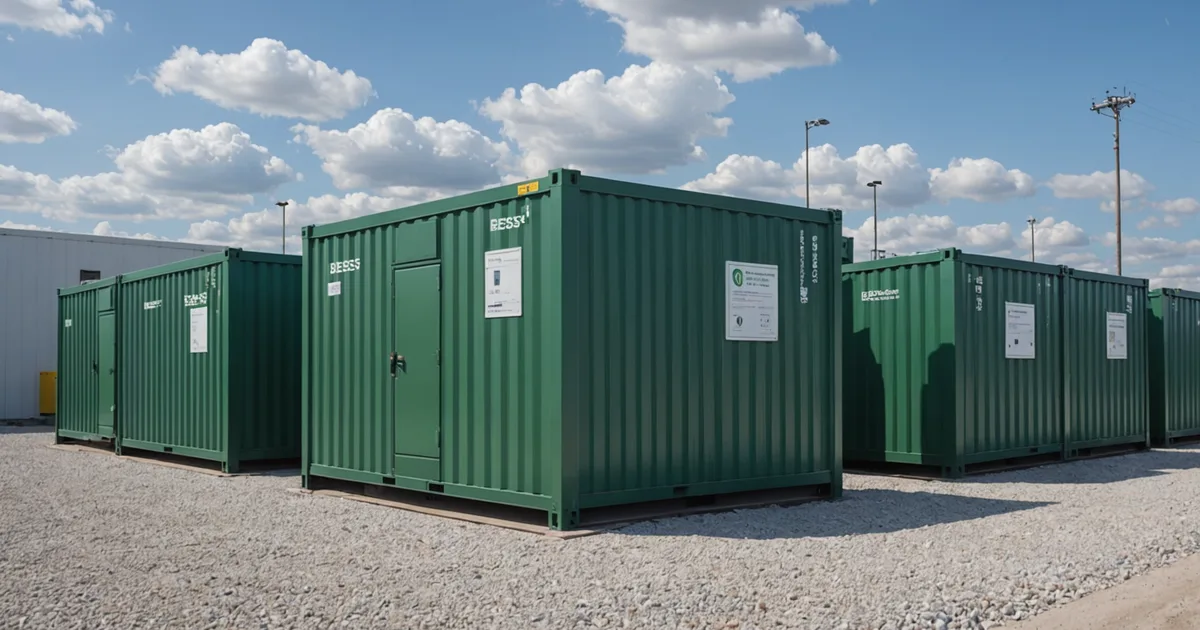
Peak Shaving Strategies for Electric Utilities: Where AI Forecasting Fits In
Peak shaving reduces a utility's maximum demand charge exposure. We look at the toolkit and where a feeder-level AI forecast changes the calculus on each strategy.